


Cotton Yarn
Why Choose Us?
Reliable Product Quality
Our strict QC system guarantees quality roducts: Our products can meet the standards of AATCC, JIS, and ISO9001. And we have gotten certificates as GRS, ORANIC, BIC,FSC, BSCI.
Excellent Location
Located in Xuzhou City (well-known astransportation hub in China), Jiangsu province, we are only 7km, 25.7km, 200km, 470km and 590km away from Xuzhou railway station, Xuzhou Guanyin airport, Lian Yungang port Qingdao port and Shanghai Port, thus we enjoy good location.
Wide Product Range
We specialize in various yarns including viscose yarn, polyester yarn, cotton yarn, blended yarn, recycled Yarn, etc.
Professional Technical Team
We have own devloping lab, one year, one new product. Own Bulk manufacture company. For quickly suppling, Own lab for developing.
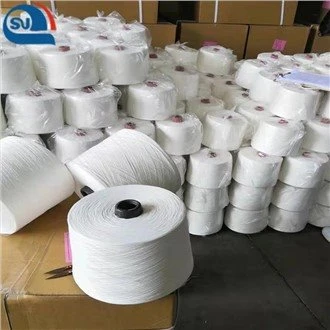
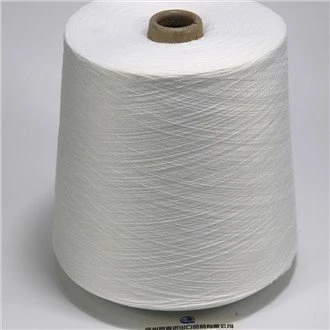
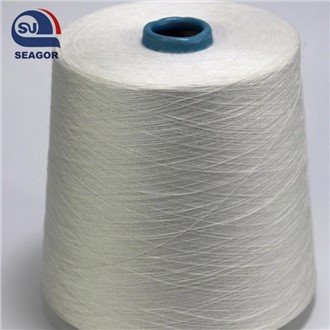
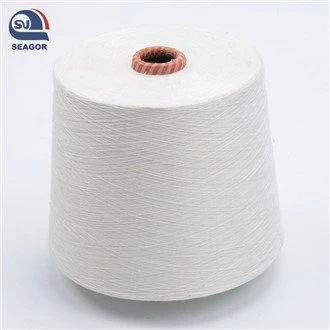
Cotton yarn is made from the fluffy fiber (white colored) of the cotton plant. Fibers seem to be combed and get spun into yarn. It happens in a similar way where wool gets combed and spun. The cotton yarn has similar characteristics to cotton thread-made fabrics. This yarn is breathable, cooling, heat resistant, and absorbent. 100% cotton is not anything complicated.



Breathability and Comfort
Cotton yarn is known for its breathability, which makes it an excellent choice for sweaters. The natural fibers in cotton allow air to circulate freely, keeping the body cool and preventing excessive sweating. This breathability factor is particularly beneficial during warmer months when wearing a sweater may typically cause discomfort. The ability of cotton fibers to absorb moisture also contributes to the overall comfort of cotton yarn sweaters. The yarn absorbs perspiration, helping to regulate body temperature and reducing the likelihood of odors and skin irritations.
Versatility and Aesthetic Appeal
Another advantage of cotton yarn is its versatility and aesthetic appeal. Cotton can be spun into various weights, making it suitable for different sweater styles, from lightweight summer garments to cozy winter sweaters. This versatility allows knitters and crocheters to adapt to different patterns and designs, exploring different stitch patterns and techniques. In addition to its versatility, cotton yarn offers a wide range of color options. Whether you prefer bright and vibrant hues or subtle and neutral tones, you can find cotton yarn in various shades to suit your personal style and project requirements. The aesthetic appeal of cotton yarn enhances the overall look of the sweaters, adding a touch of elegance and sophistication.
Easy Care and Durability
When it comes to the maintenance and longevity of sweaters, cotton yarn offers excellent benefits. Cotton is generally machine washable, making it easy to care for and maintain. Unlike delicate yarn types that require special washing instructions, cotton sweaters can typically be washed with other garments in the machine, saving time and effort. In terms of durability, cotton yarn is known for its strength and longevity. This natural fiber can withstand regular wear and multiple washes without losing its shape or color. Cotton yarn also has a high resistance to stretching, allowing the sweaters to retain their original fit over time.
Eco-Friendly Option
Cotton yarn is also favored by those who prioritize eco-friendly and sustainable choices. As a natural fiber, cotton is biodegradable and renewable, unlike synthetic fibers, which contribute to environmental pollution. By opting for cotton yarn, you can reduce your carbon footprint and support sustainable practices in the textile industry. Additionally, cotton yarn is often produced using organic farming methods, which eliminate the use of harmful chemicals and pesticides, making it a healthier choice for both the environment and the end consumer.
Types of Cotton Yarn

Egyptian & Sea Island Cotton Yarn
Egyptian and Sea Island cotton yarns are considered to be the finest cotton fibers. These kinds of cotton are very soft and are resistant to fraying and pilling.
Pima Cotton Yarn
Pima cotton yarn is extremely similar to Egyptian cotton but is primarily grown in the United States.
Organic Cotton Yarn
Organic cotton fibers are grown without pesticides or synthetic fertilizers. This is a good option if you’re looking to be more sustainable and support farming that produces less pollution.
Recycled Cotton Yarn
Recycled cotton yarn is made from recycled fabric. This is a great sustainable option! Cotton takes a lot of water to produce. However, recycled cotton yarn uses less water and gives life to fabric that might otherwise be in a landfill.
Mercerized Cotton Yarn
Mercerized cotton isn’t a type of fiber, but a treatment that is done to the cotton fibers. The treatment involves submerging cotton in a soda solution that results in a more strong fiber that is more receptive to dye. The end result is a yarn that is almost silk-like and has vibrant colors. Also, because mercerization causes the fibers to be condensed even closer to one another, the fabric you make with it will actually be even cooler and airier compared to non-mercerized cotton.
Application of Cotton Yarn
Clothing
Cotton yarn is often used to make t-shirts, underwear, socks, and other clothing items. Its softness and breathability make it a comfortable choice for everyday wear.
Home Goods
Cotton yarn is also used to make a variety of home goods, including blankets, curtains, towels, and rugs. Its absorbency and durability make it ideal for these types of items.
Industrial Products
Cotton yarn is used in the production of a variety of industrial products, including ropes, canvas, and tarps. Its strength and durability make it an excellent choice for these types of applications.
Crafts
Cotton yarn is often used in crafting, such as knitting and crocheting. It is easy to work with and comes in a wide range of colors, making it a popular choice for these types of projects.
Medical Textiles
Cotton yarn is used in the production of medical textiles, such as gauze and bandages. Its softness and hypoallergenic properties make it an excellent choice for these types of products.
How Cotton Yarn Is Made Step By Step
The process of cotton yarn production begins with the harvesting of cotton, which is the plant of the Malvaceae family. Cotton is grown in warm, tropical regions throughout the world. The plant produces bolls containing cotton seeds and fibers, which mature and open when it is time to harvest. Traditional cotton harvesting involved farmers carefully selecting ripe bolls by hand. However, with the advancement of technology, most cotton harvesting is done with specialized machines, known as cotton pickers. These machines pluck the cotton bolls from the plants and harvest them in large bales.
Once harvested, cotton goes through a process called ginning. During this step, the seeds are separated from the cotton fibers. Ginning can be done mechanically or by more traditional methods, depending on the location and production practices. The cotton fibers are then subjected to rigorous cleaning to remove impurities such as seed residue, dust, dirt and other foreign material. Cleaning is essential to ensure that the cotton is clean and ready to be made into yarn. This cleaning is achieved through the use of ginning, carding and cleaning machines that work to ensure that the cotton is in optimum condition for the next step in the process.
Once cleaned, the cotton undergoes the carding process. During carding, the fibers are aligned in one direction and further separated, creating a fluffy and uniform fiber cloud. Carding is essential to remove any tangles or impurities that may still be present in the fibers. As the fibers are carded, a cotton “wick” is formed, which is a long, thin strand. These cotton rovings are then wound onto bobbins to facilitate the next step: yarn formation. At this point, the strands can be combined to create thicker yarns or twisted together to form stronger yarns.
The spinning stage is where the cotton strands are made into yarn. This process can be done in different ways, but the main objective is to twist the fibers together to give them strength and cohesion. Spinning is one of the most important stages in the manufacture of cotton yarn, as it determines the quality and characteristics of the final yarn. In modern spinning mills, spinning machines are used that take the cotton rovings and twist them at high speed to form the yarn. As the rovings are pulled and twisted, the fibers are intertwined and held together, creating a continuous, uniform strand. During this process, dyes can also be added to dye the yarn if different colors are desired.
Once spun, the cotton yarn is wound onto spools for easy handling and transportation. Winding allows the yarn to be stored and transported efficiently, ready for use in different weaving and apparel processes. After winding, the yarn undergoes a finishing process, which includes final twisting and stretching to improve the uniformity and strength of the yarn. At this stage, quality control is also performed to ensure that the yarn meets the desired standards. Any defective or substandard yarns are removed from the production process.
Characteristics of Cotton Yarn
The fineness of the Fibre
The fineness of the fiber is one of the most critical parameters that determine the quality of the yarn. This is the ideal combination of qualities that practically all cotton importers are looking for in their cotton. Cotton, the fineness of the fiber, impacts the number of fibers that are visible in the cross-section. The smaller the fiber, the greater the number of fibers that are present in the yarn’s cross-sections.
Maturity
The development of the cotton cell wall can be used to determine the maturity level of cotton fiber. A fiber that has reached its complete maturity will have a cell wall that has formed. On the other hand, an immature fiber has a very thin cell wall since it has not fully developed yet. When the cell wall of a moisture-swollen fiber represents between 30% and 80% of the round cross-section, fiber is considered mature. On the other hand, fiber is considered immature when it represents between 30% and 45% of the round cross-section, and it is considered dead when it represents less than 25% of the round cross-section.
The Tensile Strength of Cotton Fibers
There is a one-to-one correlation between the toughness of the fiber and the strength of the yarn and the fabric. Cotton Properties refer to the particular sort of physical behavior exhibited by a fiber. When the strength of the fiber is increased, the strength of the yarn and the fabric is increased as well. Cotton that is very fragile has a propensity to rupture during processing, whether in the blow room or during carding. This results in the production of short fibers, which in turn reduces the strength of the yarn and its uniformity.
Cotton Fibre Elongation
The amount of elongation is often expressed as a percentage of the length at the beginning of the process. Products made of textiles that have not been classified would have very limited practical application. They have to be distorted, but then they return to their normal form. The elongation of the fibers should be between 1 and 2 percent at the very least. Wool has a higher resilience to creases than cotton does as a direct result of the difference in their levels of elongation.
Length of the Fiber
The typical length of a spinnable fiber is referred to as the staple length. The length of the staple is one of the most critical aspects of a fiber’s properties. The length of the staples of the fiber determines characteristics such as its quality, count, and strength. The length of the staples determines the quality of the yarn.
Challenges and Considerations of Using Cotton Yarn for Sweaters
Lack of Elasticity
While cotton yarn offers numerous advantages for sweaters, it does come with a few challenges and considerations that knitters and crocheters should be aware of. One such challenge is the lack of elasticity in cotton fibers. Unlike yarns with added synthetic fibers or wool, cotton yarn has minimal stretch, which can affect the fit and shape retention of the finished sweater. Knitters and crocheters working with cotton yarn should consider this lack of elasticity when choosing patterns and sizing. It's essential to take accurate measurements and understand the expected fit of the sweater to ensure it will be comfortable and flattering.
Weight and Drape
Another consideration when using cotton yarn for sweaters is the weight and drape of the finished garment. Cotton yarn tends to be heavier and less drapey compared to lightweight and drapey fibers like silk or alpaca. This characteristic can affect the overall silhouette and movement of the sweater. When choosing cotton yarn for sweater projects, consider the intended style and occasion. For loose and flowing designs, selecting a lightweight cotton yarn with a loose twist can help achieve a more flattering drape. On the other hand, for structured or fitted sweaters, a heavier weight cotton yarn may be more suitable, as it can provide the desired shape and structure.
Color Fastness
Color fastness is another consideration when using cotton yarn for sweaters. While cotton yarn comes in a wide range of vibrant colors, it may not retain its color as well as synthetic or wool fibers after multiple washes. To maintain the vibrancy of the colors in your cotton yarn sweater, it is advisable to follow the washing and care instructions provided by the yarn manufacturer. Using color-safe detergents and avoiding high temperatures during washing can help prevent color fading.
Fiber Content
One of the most important things to consider when choosing cotton yarn is fiber content. Cotton yarn can be made from a variety of different fibers, including 100% cotton, cotton blends, and mercerized cotton. Each fiber has its own unique properties that affect the look and feel of the finished project.
Ply
Ply refers to the number of strands that make up a single yarn. Single-ply yarns are made from a single strand, while multi-ply yarns are made from multiple strands twisted together. The ply of a yarn affects its strength, durability, and drape.
Weight
Cotton yarn comes in a variety of different weights, from lace to bulky. The weight of the yarn you choose will depend on the project you’re making. For example, a lightweight yarn would be ideal for making a summer garment, while a bulky yarn would be better suited for making a cozy winter scarf.
Texture
The texture of the yarn you choose can also affect the look and feel of the finished project. Some cotton yarns have a smooth texture, while others are more textured or have a slubby appearance.
Color
Finally, color is another important consideration when choosing cotton yarn. Cotton yarn can be dyed in a wide range of colors, from bold and bright to muted and subtle. The color you choose will depend on the overall look and feel you’re trying to achieve with your project.

Washing Techniques for Cotton Yarn
Hand Washing
If you want to give your cotton yarn the TLC it deserves, hand washing is the way to go. Here's how to do it:
Clean a sink, tub, or basin that you will use to wash your garments.
Fill the container with lukewarm water, as extreme temperatures can harm your yarn. Add your gentle soap to the water.
Soak your yarn or garment in soapy water for about 15 minutes, gently swishing it around to remove dirt. After soaking, take your garment out of the soapy water, gently squeezing to remove excess water. Dump the soapy water out of the container and refill it with soap-free lukewarm water. Place the garment back into the water, and let it soak for another 15 minutes. Gently swish your garment around again, this time to remove soap.
Machine Washing
If you're short on time or have a big batch of cotton yarn items, machine washing is a convenient option. Just remember these key tips:
Check your yarn label to make sure it is okay to machine wash.
Select a delicate cycle with a low spin speed to avoid damaging your yarn.
Place your cotton yarn garments in a mesh laundry bag to protect them from tangling with other items.
Stain Removal Tips
Uh-oh! Got a stain on your favorite cotton yarn creation? Don't panic. Here's what you can do:
Pre-treatment options: Apply a gentle stain remover or dab some mild detergent on the stain before washing, and as soon as you can after the stain happens.
Gentle stain removal methods: Gently rub the stained area with your fingers or use a soft toothbrush to loosen the dirt. Avoid scrubbing too hard, as it may damage the yarn.
Tips and Tricks for Cotton Yarn
Cotton stretches
You know when you put on a top that is very form-fitting and it stretches to hug your curves? And when you take it off, it snaps back to looking like normal? That means that the top has memory or elasticity. However, cotton fiber lacks memory, so your cotton FO tends to take the form of however it is pulled and stretched when it is worn.
Cotton makes a more loose-fitting fabric
Because of cotton’s lack of memory, it’s best to choose loose-fitting garments or garments that drape for cotton instead of tight, form-fitting garments. Even ribbing alone won’t be able to get the garment to cling to your body. (Make sure to keep reading to see what kind of projects I recommend for making with cotton!)
Cotton yarn could have a bias
Cotton can be tricky to spin. The fiber itself has a natural twist, and then the fibers have to be twisted more in the spinning process. If all of those twists aren’t correctly accounted for, it could result in the fabric having a bias or a tilt. This is one reason why it is super important to block your cotton gauge swatches.
Cotton is heavy
Compared to other fibers, like wool or acrylic, cotton tends to make a heavier fabric. This heavier weight is important to keep in mind when considering doing a project with elements like cables or bobbles because the finished garment could weigh more than you’d like. If you’re set on making a super cool cabled top with cotton though, then just keep your eye out for a light-weight cotton blend.
Cotton is slippery!
When working with cotton yarn, you may find that it is more slippery than wool and other animal fibers. I recommend using a wooden needle, which offers a bit more grip than a metal needle. Using a metal needle with cotton is a very slippery combination and could lead to a weird, inconsistent gauge.
Our Certifications
ISO9001, BSCI, HIGG INDEX, BCI, ORGANIC100, OEKO TEX100, FSC, OBP, GRS

Our Factory
Xuzhou Seagor Import And Export Co., Ltd. is Founded in 2015. It belongs to Xuzhou Xinchang Company and mainly responsible for export. Located in Xuzhou City (well-known astransportation hub in China), Jiangsu province, we are only 7km, 25.7km, 200km, 470km and 590km away from Xuzhou railway station, Xuzhou Guanyin airport, Lian Yungang port Qingdao port and Shanghai Port, thus we enjoy good location. We specialize in various yarns including viscose yarn, polyester yarn, cotton yarn, blended yarn, recycled Yarn, etc.
