


Polyester Yarn
Why Choose Us?
Reliable Product Quality
Our strict QC system guarantees quality roducts: Our products can meet the standards of AATCC, JIS, and ISO9001. And we have gotten certificates as GRS, ORANIC, BIC,FSC, BSCI.
Excellent Location
Located in Xuzhou City (well-known astransportation hub in China), Jiangsu province, we are only 7km, 25.7km, 200km, 470km and 590km away from Xuzhou railway station, Xuzhou Guanyin airport, Lian Yungang port Qingdao port and Shanghai Port, thus we enjoy good location.
Wide Product Range
We specialize in various yarns including viscose yarn, polyester yarn, cotton yarn, blended yarn, recycled Yarn, etc.
Professional Technical Team
We have own devloping lab, one year, one new product. Own Bulk manufacture company. For quickly suppling, Own lab for developing.
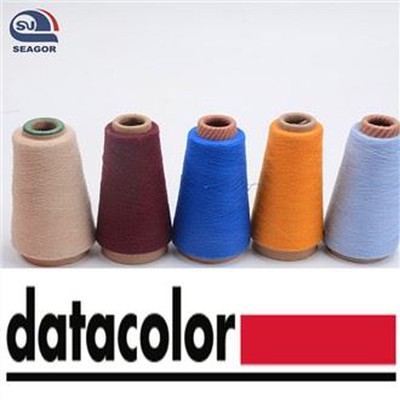
Polyester yarn is a synthetic yarn made from polyester fibers. Polyester is a type of polymer that is made from ethylene glycol and terephthalic acid. Polyester yarn is known for its strength and elasticity, making it suitable for a wide range of applications. It is often used in the production of textiles, such as clothing and home furnishings, as well as industrial products, such as ropes and cords.


It’s Stronger Than Its Natural Counterparts
Polyester yarn thread is sourced from xylene, a hydrocarbon produced during the crude oil cracking process. Xylene is then mixed with nitric acid turns to PTA. Then, the PTA is mixed with glycol in a reaction chamber, producing polyester. This process produces long molecules, which are further stretched and spun to make polyester threads. This molecule stretching and aligning process makes polyester fabric threads resilient and strong. As a result, polyester does not lose its shape over time, unlike cotton threads, which aren’t as strong. In addition, since it is synthetic, it is also more resistant to mildew, abrasion, and sunlight damage. This is why polyester is the go-to choice to produce fabrics intended to withstand a lot of wear and tear.
It’s Elastic and Flexible
Ever wondered why athletic clothes are made of polyester? It’s because polyester is elastic and flexible. The long polymer molecules allow it to stretch easily and snap back into its original shape after stretching. This makes it the ideal choice for fabrics that require a lot of movement, whether elastic or flexible.
It Dries Quickly
Another reason why polyester is often chosen for athletic wear is that it dries quickly, unlike cotton. Cotton has a tendency to soak in moisture (sweat), which does not evaporate quickly. On the other hand, polyester is somewhat water-resistant, so it does not soak in moisture; instead, it wicks the moisture away from the skin and lets it evaporate quickly. On a 100% polyester blend, the water beads on the surface instead of getting soaked in.
It’s Versatile
There are hardly any other materials in the world that are as versatile as polyester threads. Not only is polyester used for producing fabric, but it’s also used to produce water bottles, power belts, ropes, tire cords, sails, and even floppy disks. This makes polyester threads the perfect choice for various applications. For instance, polyester yarns are used in car tires, athletic wear, insulation for wires, sails, and a lot more.
It’s Inexpensive
Lastly, it is inexpensive. Poly yarn thread can be mass-produced at a meager cost when compared to cotton. This is why it is the go-to choice for many companies that want to produce low-cost fabric and offer their customers easy-to-access products. In fact, even producing multi-color threads of polyester is not as expensive as anyone would think!
Types of Polyester Yarn
DTY threads
DYT thread, which is known as single-threaded thread. And in Iran, it is also called as terroira thread, it is a type of polyester thread. DTY yarns are widely used yarns and have many and varied applications, especially in the textile industry. These threads have different properties such as softness and high softness and volume. DTY yarns are produced through several steps and under factors such as very high heat.
Intermingle yarns
Intermingle yarns are in the category of this model and are produced from DTY yarns. These threads are welded at specified intervals in DTY threads. These threads have important features such as softness and volume. By passing through the texturing stage, these threads become similar to threads made from natural fibers. This makes the resulting fiber very strong and durable and is used in the production of various textiles such as clothes, clothes, rugs, etc.
ATY yarns
ATY yarns are another type of polyester yarns, which are also known as air-textured yarns. This eventually causes the yarn to tangle, making it look like natural yarn. One of the most important features of these polyester threads is their low moisture absorption and light weight.
POY threads
One of the types of polyester thread that has special and important features, this is POY thread. This thread is created by melting polyester chips. One of the important features of this yarn is its remarkable thermal properties, high flexibility, and its suitable hanging properties.
FDY yarns
These polyester yarns are the result of the contraction of POY yarns. This shrinkage makes these threads to be used in various industries such as the textile industry and various textile products such as curtains, rugs, blankets, carpets...
Staple yarns
Another type of polyester yarn is staple yarns. These threads are cut filament fibers that are produced in a rotary system. These fibers are finally packed and delivered to the textile factory in the form of bales.
Fashion and footwear
Polyester yarn is utilized in the fashion industry for a long time. Its wrinkle-resistant property makes it is highly preferred by the designers for special appearances, as it will make their outfit look classy and elegant. Polyester is also used for footwear. Mostly for the purpose of winter footwear, as it absorbs more heat, hence providing you with comfort. While for the summer season, polyesters footwear is generally mixed along with other fabrics. Mostly polyester made shoes are preferred because of the durability of the fiber.
Sheets, duvet covers and sleeping bags
Polyester is helpful in the manufacturing of a number of sleeping bags. People highly use these bags use when they go on high altitudes for camping as it absorbs the heat and keeps them warm in cold regions. As discussed earlier, polyester yarn uses static energy and becomes clingy. Therefore, it is used to make sheets and duvet covers, which remain fixed at their place for a long time. Moreover, its color does not fade away quickly.
Soft furnishings
A polyester yarn can be compressed to make soft furnishings. Some ultra-thin fibers are used by manufacturers, which give a smooth and soft surface to the polyester for an extended period.
The furniture made does not get affected in case of accidental spills. This is because the polyester yarn is mixed with other fabric in order to provide smooth finishing protection to the furniture.

Luggage and other kinds of bags
The polyester yarn has the ‘no water absorb’ property, thereby it’s an excellent material for making bags, especially which carry a hefty load. The bags will not absorb water, especially if you are going to places which are near the sea or the ocean. However, there is one condition to be applied. That is, it should not be mixed with wool for crease resistance. Also, the no wrinkling property makes polyester yarn an excellent fit for luggage, as it remains intact for years.
Making of duvets
The polyester yarn duvet will always keep you warm during the winter season. The yarn works as an insulator and does not allow the heat trapped around your body to leave the duet. Thereby, the cold environment does not affect your body. Although, if you are using a polyester duvet along with a room heater, then it might make you feel uncomfortable after some time.
Sewing threads and textiles
Polyester yarn uses the ‘fast dry’ technique, which refers to the policy of natural drying as compared to the other fabrics. Therefore, it is a good material to make sewing threads and various other textiles. Generally, it is mingled along with other fabrics to retain its properties. Polyester is also capable of utilizing the features of different fabrics as well. With the innovation in technology and other factors, polyester is at times, combined with a plethora of fabrics. However, you can identify it reading the tags attached.
Polyester yarn vs. Acrylic yarn
Polyester and Acrylic yarn is artificial fiber from petroleum, which composes a long polymer chain due to different monomer structures. Polyester is made of Polyethylene Terephthalate (PET), while Acrylic is made of Acrylonitrile. These create unique and various properties in the textile industry. When using the same weaving method in terms of the breathable property, Acrylic is the material that is frequently used for sweaters because it provides better heat insulation. In contrast, Polyester allows more air into the yarn. Additionally, Acrylic yarn has more textured and bulkiness. For this reason, Acrylic is frequently substituted wool material as its softness is similar to natural protein fiber. Over than above, the benefit of Acrylic is budget-friendly compared to wool fibers.
Polyester and Acrylic yarn is similar in Hydrophobic property, which means both items are not absorbing moisture. Also, both are commonly used for sportswear because this property makes it quick-drying and very good for the consumer when sweating a lot during exercise.
Polyester yarn is more durable in resistant properties, including sunlight, stretch, shrink, most chemicals, etc. This is because Polyester's structure contains aromatic ridged molecules in the main polymer chain compared to Acrylic polymer doesn't contain any.
According to environmental concerns, Acrylic yarn takes a long time to decompose, which has made it less popular than Polyester yarn. Both Polyester and Acrylic are oleophilic means they are good at absorbing oil-based chemicals like perfume. Because of this, perfume smells stay on Polyester and Acrylic clothing longer than on other fibers.
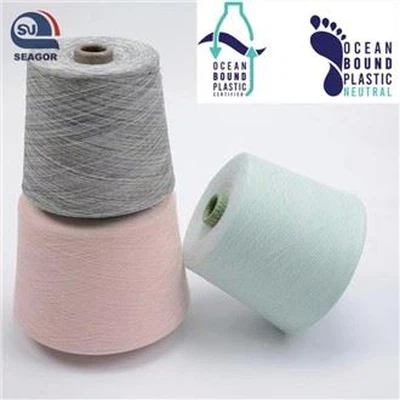
The world has changed so much and people tend to use more sustainable products. Especially in the textile industry, many leading global brands are improving their products and using more recycled materials. And the textile raw material can generate from waste plastic bottles or leftover.
Factors to Consider While the Right Recycled Polyester Yarn
Type of Recycled Polyester Yarn
Different types of recycled polyester yarn include post-consumer and post-industrial recycled polyester yarn. The post-consumer recycled polyester is made from PET bottles, and post-industrial recycled polyester is made from manufacturing waste. The type of recycled polyester you choose will depend on the type of project and your sustainability goals.
Type of Project
If you plan to make a blanket, you should choose a bulky recycled polyester yarn with a high denier to provide warmth and comfort. If you plan to make a formal shirt, a lightweight recycled polyester yarn with low denier will suffice. The type of project you are working on will determine the type of yarn you should choose.
Quality
The quality of the recycled polyester yarn is an essential factor to consider, as it determines the durability and longevity of the finished product. It would be best to look for recycled polyester yarn that is strong, soft, and has good colour fastness.
Denier
Denier is a measure of the weight and thickness of the yarn. The yarns with high deniers tend to be thicker and more sturdy than those with low deniers that tend to be soft, sheer, and silky. You need to decide the denier of the yarn you are looking for and choose accordingly for your project.
Colour
Recycled polyester yarns are available in a range of colours, including both natural and dyed options. When selecting the colour of your recycled polyester yarn, it’s important to consider the dyeing process used to create colour. Some dyeing processes can harm the environment, so selecting a yarn that uses low-impact dyes can minimise the environmental impact of your project.
Price
The cost of recycled polyester yarn can vary depending on the quality and source of the material used to produce it. Higher-quality yarns are generally more expensive but may produce a better final product. It would be best if you considered the overall cost of your project and budget accordingly when selecting the suitable polyester recycled yarn.
Nylon yarn was the first synthetic fiber produced in 1930 made of Adipic acid and Hexa-methylene-diamine to become Polyamide. Nylon was the first artificial fabric that substituted silk. And it was a popular material during WWII for making parachutes. Nylon yarn properties are similar to Polyester because both yarns are synthetic. But Nylon is more durable due to the hydrogen bond between chains, which is the 3rd strongest force between molecules and has a higher molecular weight per chain than Polyester. And top commercial uses for Nylon are Clothing and Industrial uses like ropes. Either Nylon or Polyester provides comfortable texture in the garment industry. Likewise, Nylon became more popular for making intimate wear, swimwear, raincoat, etc. As you may know, all synthetic fibers do not absorb water because of their structures. However, some level of pressure can force water to run through the gap between each thread. For example, comparing Nylon to Polyester, Nylon absorbs a small amount of water, while, Polyester does not and dries faster than Nylon. Polyester has quick-dries properties, making it likely to be chosen as the material for sportswear with a lot of sweating throughout the activity. And Polyester is usually cheaper than Nylon.
In addition, Nylon and Polyester have mold-resistant properties just because of the nature of synthetic fibers. But, when it comes to odor, Polyester seems to absorb more odors and hold onto the smell much more, while Nylon does not absorb at all. Both of them do not resist high temperatures and can melt or burn. But they can require an additive agent that improves their quality and prevent fire from spreading. Polyester is one of the safest choices of synthetic fiber that burns when it has enough heat but Nylon burns faster. Compared to other synthetic fibers, Polyester is considered the most widely used with an affordable price against other fibers. Suppose you're looking for high-quality Polyester fiber, yarn or filament at a reasonable price.
Tips for Knitting and Crochet with Polyester Yarn
Needle and Hook Size
When working with polyester yarn, it's essential to use larger needles or hooks. This allows the yarn to create a looser drape, preventing the fabric from becoming stiff. By using larger tools, you can achieve a more flexible and comfortable texture in your knitted or crocheted projects. For instance, if you're knitting a scarf using polyester yarn, consider using needles that are one or two sizes larger than what is typically recommended for the yarn weight. This adjustment helps in creating an airy and flowing fabric rather than a dense one.
Tension Consideration
Due to polyester yarn's lack of elasticity compared to natural fibers like wool, tension becomes crucial when knitting or crocheting. It's important to maintain consistent tension throughout your project to ensure an even look and feel in the finished piece.
Blending with Natural Fibers
Consider blending polyester yarn with natural fibers such as cotton or bamboo for added flexibility. Combining these materials can enhance the overall performance of the yarn while retaining its durability. For example, if you're planning to knit a summer top using polyester yarn, incorporating some cotton into your project can provide breathability and softness while still benefiting from polyester's easy-care properties.
Maintenance Tips for Polyester Yarn
Machine Washable
Polyester yarn projects are machine washable, making them convenient for everyday use. You can easily clean your polyester yarn items without the hassle of handwashing. Simply toss them in the washing machine with similar colors and mild detergent. Polyester yarn is resilient and can withstand machine washing, but it's essential to use a gentle cycle to prevent excessive agitation that could cause pilling or stretching.
Drying Tips
When drying polyester yarn projects, it's crucial to avoid high heat settings, as polyester fibers are susceptible to melting or damage from high temperatures. Opt for a low-heat setting on your dryer or air dry the items flat on a towel to maintain their shape and integrity. Remember that extreme heat can compromise the texture and appearance of your finished pieces, so always handle them with care during the drying process.
Storage Considerations
To preserve the color vibrancy of your polyester yarn creations, store them away from direct sunlight. Prolonged exposure to sunlight can lead to fading over time, diminishing the visual appeal of your projects. Consider placing your finished items in a closet or drawer where they won't be exposed to constant sunlight. This simple step will help maintain the vividness of colors in your polyester yarn pieces for years to come.
Our Certifications
ISO9001, BSCI, HIGG INDEX, BCI, ORGANIC100, OEKO TEX100, FSC, OBP, GRS

Our Factory
Xuzhou Seagor Import And Export Co., Ltd. is Founded in 2015. It belongs to Xuzhou Xinchang Company and mainly responsible for export. Located in Xuzhou City (well-known astransportation hub in China), Jiangsu province, we are only 7km, 25.7km, 200km, 470km and 590km away from Xuzhou railway station, Xuzhou Guanyin airport, Lian Yungang port Qingdao port and Shanghai Port, thus we enjoy good location. We specialize in various yarns including viscose yarn, polyester yarn, cotton yarn, blended yarn, recycled Yarn, etc.
